
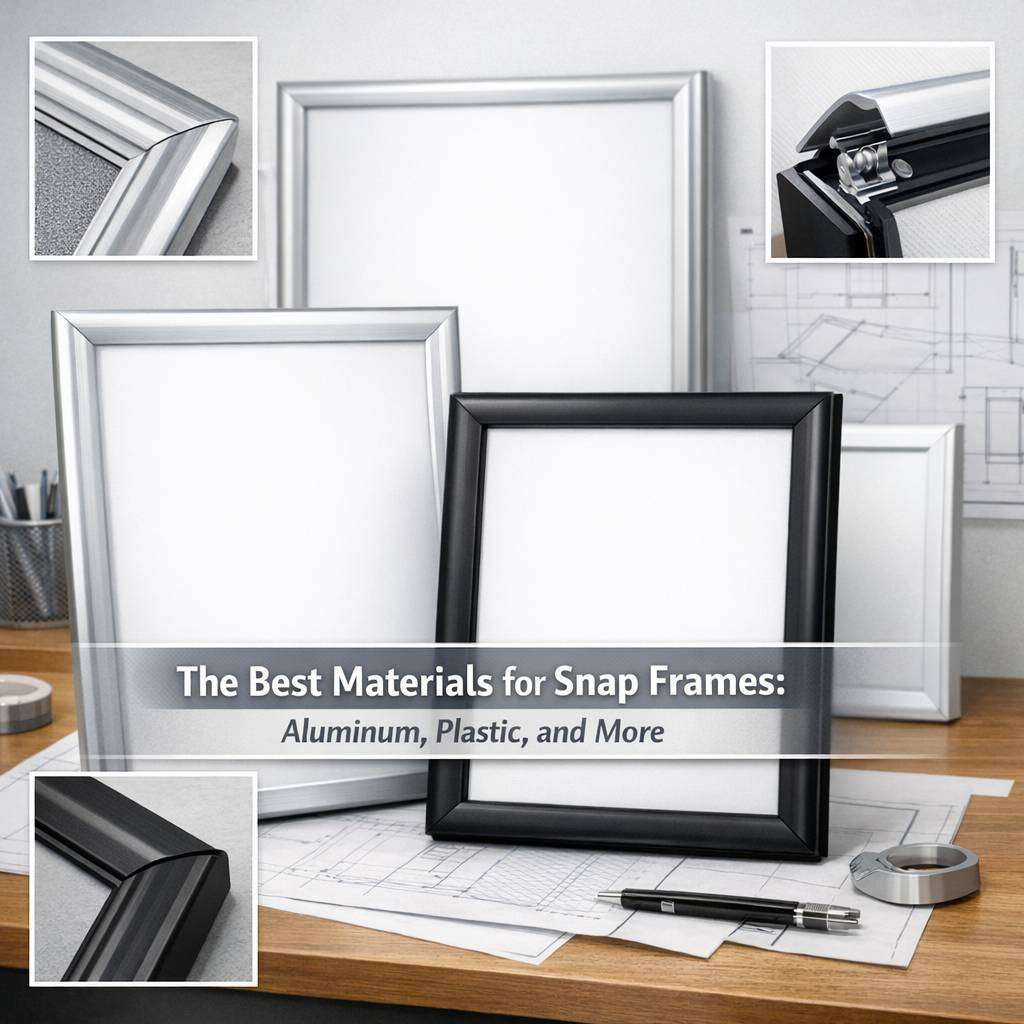
Snap frames are a staple for retail displays, galleries, and offices thanks to their simplicity, durability, and clean aesthetic. But not all snap frames are created equal. The material you choose affects longevity, weight, pricing, and the overall look of your displays. In this article, we explore the most common materials used in snap frames, weigh their pros and cons, and offer practical guidance so you can select the best option for your needs. Whether you’re mounting posters, photos, or notices, understanding the material fundamentals will help you create professional, durable presentations.
Discover stylish, affordable snap frames to showcase your memories with ease. Durable, lightweight designs make swapping pictures quick and simple, perfect for home or office displays. Enhance your decor without fuss, and keep memories vivid with versatile sizes and finishes. snap frames elevate every wall.
Aluminium
Aluminium snap frames are perhaps the most popular choice for professional environments. They tend to be lightweight yet sturdy, with a sleek, modern profile that suits contemporary interiors. The material’s natural corrosion resistance ensures longevity, even in environments with higher humidity or occasional exposure to moisture. Aluminium frames are available in a wide range of finishes, from brushed satin to high-gloss anodised options, which makes it easy to match branding or interior design schemes. A key advantage of aluminium snap frames is their rigidity; they hold posters flat, minimising curl and edge lift, which keeps the presentation looking tidy on long-term display. Maintenance is straightforward: a soft cloth and gentle cleaner are usually enough to remove fingerprints and dust. For those seeking a premium look without excessive weight, aluminium is often the best all-round choice.
Plastic
Plastic snap frames offer exceptional cost efficiency and versatility. They are generally lighter than aluminium, which can be a boon for wall mounting or frequent relocation. Plastic frames come in a broad spectrum of colours and are often compatible with DIY display setups, where you might want to colour-match to a brand palette. Modern plastics used in snap frames are robust and impact resistant, making them suitable for high-traffic areas. However, plastic frames can be more susceptible to colour fading over time if exposed to strong, direct sunlight, and they may appear less premium in comparison with metal options. Some plastic frames incorporate UV stabilisers to mitigate fading, so if colour longevity is important, look for those specifications. Cleaning is easy, but you should avoid harsh solvents that could degrade the plastic over time. If you need an economical option for temporary exhibitions or event spaces, plastic snap frames are hard to beat.
Aluminium composite and hybrid options
For customers seeking a balance between price and performance, aluminium composite panels or hybrid frames blend materials to achieve desirable traits. Aluminium composite snap frames typically fuse aluminium faces with a lightweight core, offering a mid-range weight and stiffness with a neat, professional finish. These hybrids can provide greater longevity at a lower cost than solid aluminium while still delivering a crisp edge and reliable poster presentation. If you operate in busy venues, the extra rigidity of a hybrid can help prevent sagging and edge curl that sometimes affect cheaper frames. When selecting a hybrid, verify that the frame’s construction uses durable corner joints and a robust snap mechanism to maintain tension on the display material.
Steel
Steel snap frames are less common but are valued in settings requiring maximum durability and a distinctive, often industrial aesthetic. They are typically heavier than aluminium, which can be an advantage for ensuring stability on windy or high-traffic walls but a disadvantage for repositioning and installation. Steel frames are highly resistant to impact and deformation, and they can be finished in powder coatings that resist corrosion and wear. If you’re looking for a frame that will last for years in a demanding environment, steel is a solid option. Be mindful of weight considerations when planning wall mounting, and ensure the supporting hardware is appropriate for heavier frames.
Wood
Wood snap frames offer a warm, classic appearance that can complement traditional interiors, galleries, or boutique shops aiming for a timeless vibe. The grain and finish of natural wood can create a premium display that exudes character. However, wooden frames are usually heavier and may require more maintenance to guard against humidity-related warping or wear. For high humidity environments or frequent handling, engineered wood or wood-look laminates can provide a more stable option while preserving the aesthetic. If your brand or space appreciates a rustic or heritage feel, a wood snap frame can be an excellent stylistic choice; just factor in weight and environmental controls when planning installation.
Acrylic and glass fronts
While not a material for the frame itself, the front panel remains a critical consideration in snap frame design. Acrylic (PMMA) is a common, lightweight alternative to glass that offers shatter resistance and excellent clarity. It’s especially useful in spaces where safety is a concern or where glass would be impractical due to fragility or weight. Some acrylic fronts come with anti-scratch coatings or UV protection to reduce yellowing and surface marks over time. Glass fronts deliver the classic, premium feel and superior scratch resistance but are heavier and more prone to breakage if dropped or knocked. Many modern snap frames use a spacer system that accommodates a durable acrylic front while keeping the display profile slim. When selecting a frame, consider the front material in tandem with the frame body to achieve the best balance of safety, aesthetics, and cost.
Other considerations
- Weight and mounting: Heavier frames require sturdier wall fixings and can affect accessibility for staff or customers. If you need portable displays, prioritise lighter materials with secure yet easily operable snapping mechanisms.
- Finish and maintenance: Satin, matte, or gloss finishes each interact differently with reflections and fingerprints. Pick a finish that aligns with your environment and cleaning routine.
- Environmental factors: Direct sunlight, humidity, and temperature fluctuations can impact materials differently. If your display is outdoors or in a bright storefront, UV resistance and anti-fade properties become important.
In practice, the best material for snap frames depends on your priorities: premium aesthetics and rigidity typically point to aluminium, budget-conscious settings may benefit from sturdy plastic, and specialised environments might call for steel or composite hybrids. By considering weight, durability, finish options, and front panel requirements, you can select a snap frame that not only showcases your content effectively but also stands up to the demands of your space.