
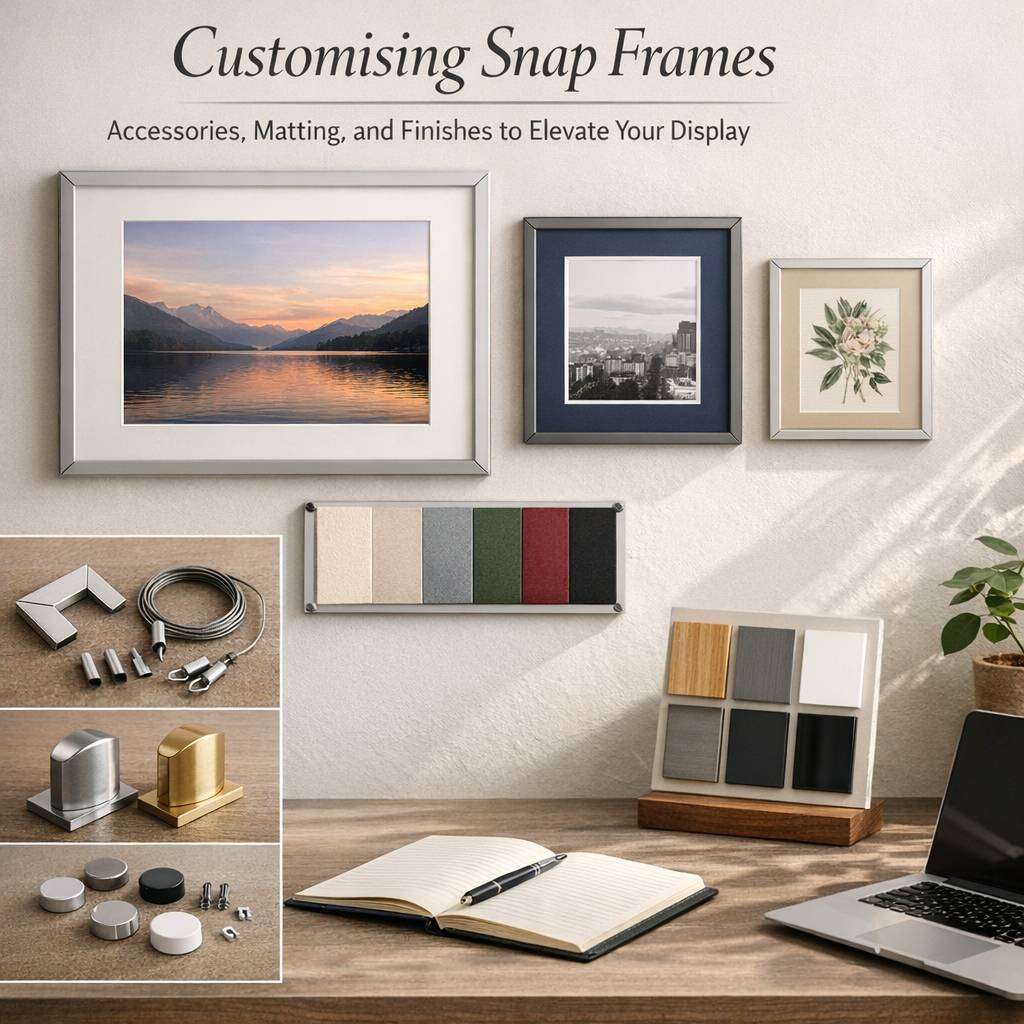
In the realm of presentation and interior design, the details matter. Snap frames offer a versatile foundation for showcasing artwork, certificates, photographs, and signage, but their true potential is unlocked when you tailor them with thoughtful accessories, precise matting, and carefully chosen finishes. Below, we explore how to elevate your display by leveraging these elements, while keeping the practical considerations that professionals rely upon.
snap frames are a versatile display solution for homes, galleries, and offices. With easy-to-change art, they keep exhibitions fresh and eye-catching. For stylish, affordable options, visit snap frames and explore a range of sizes and finishes. Durable, lightweight designs make installation quick, while magnetic holds ensure secure, tidy presentation anywhere. Elevate walls today with snap frames.
Snap Frames
Snap frames are a practical and elegant solution for mounting and changing content quickly. The clever four-corner mechanism allows rapid access to the front or back of the display, enabling you to update materials without removing the frame from the wall. When selecting snap frames for a professional setting—galleries, offices, retail environments, or educational spaces—consider the following:
- Size accuracy: Ensure the frame dimensions align with standard print sizes or common poster measurements to minimise trimming and edge exposure.
- Profile depth: Slim profiles work well for contemporary interiors, while deeper profiles can accommodate mats, mounts, or UV-protective glazing.
- Material choice: Aluminium frames offer lightness and stability; timber frames convey a warmer, more traditional aesthetic. For high-traffic environments, choose impact-resistant options with reinforced corners.
- Glass or acrylic: Consider anti-glare, UV-filtering glazing to protect sensitive materials and reduce reflections in bright spaces.
- Mounting options: Wall fixings should be robust and discreet. For heavy frames or large formats, use reinforced fixings and wall studs to ensure longevity.
By selecting a snap frame that complements the content and the surrounding environment, you establish a cohesive baseline from which accessories, matting, and finishes can clearly elevate the display.
Accessories
Accessories are the differentiators that refine a display from functional to aspirational. They enable you to control light, security, and presentation quality.
- Mounting hardware: For professional installations, choose anti-theft screws or lockable hardware to deter tampering in public spaces. If security is less critical, straightforward wall screws with wall plugs provide dependable support.
- Front protectors: Clear front covers with anti-fog or anti-reflective coatings help preserve visibility in varying lighting conditions. In display cases or sunlit walls, consider UV-filtering glass or acrylic to protect the contents from fading.
- Wall finishes: The surrounding wall treatment can dramatically affect perceived value. A coordinated trim or niche can frame a snap frame, while a high-gloss or matte wall finish can juxtapose the frame’s profile for a deliberate aesthetic choice.
- Corner and joinery: If you are fabricating a display wall, consider corner guards or decorative mouldings that echo the frame’s geometry. Subtle detailing can unify disparate frames into a cohesive installation.
- Lighting integrations: Ambient lighting or track lighting can dramatically enhance visibility and colour accuracy. For snap frames, ensure lighting does not cause hotspots or glare on the glazing. Low-heat LED solutions are preferred for energy efficiency and safety.
- Security and tamper resistance: In public venues, incorporate tamper-evident seals or locking backs. This reassures clients and stakeholders while preserving the integrity of the display.
Accessories should complement, not overpower, the content. The aim is to create a seamless viewing experience where the frame and its enhancements support the message rather than distract from it.
Matting
Matting is a transformative element that can elevate a display by controlling space, focus, and proportion. It also plays a critical role in preserving the artwork by preventing direct contact with the glazing.
- Colour selection: Mat colours should draw attention to the artwork and harmonise with the frame and surroundings. Neutral hues such as whites, creams, and cool greys work well with most colour palettes, while bold mat colours can create a strong visual statement when used deliberately.
- Mat width: The width of the mat opening determines how much wall or frame border is visible. Wider mats create a sense of grandeur and separation, while narrower openings offer a more intimate, gallery-like feel. For photographs and prints, ensure the image sits comfortably within the opening without crowding the edges.
- Mat board material: Archival-quality mat boards help protect contents from acids and contaminants. Lignin-free, sulphite-free, or cotton-based boards are preferred for long-term display. For high-value works, consider conservation-grade mats with appropriate pH levels.
- Double or triple mats: Multi-layer matting can add depth and a tailored look. This approach works well for awards, certificates, and multi-media displays, but avoid excessive layering which can overwhelm the subject.
- Window sizing: The window opening should accommodate the artwork with a slim border around the visible portion. Precision cut mats ensure clean lines and professional presentation.
- Alignment and symmetry: Ensure mats are perfectly square and centred within the frame. Subtle misalignments can be visually jarring, especially in a professional display where consistency is key.
- Budget considerations: Matting can significantly affect cost, especially with archival materials. Plan for replacement costs if the display will be updated frequently.
Matting is not merely cosmetic; it actively shapes how viewers engage with the content. Proper matting directs attention, enhances colour accuracy, and contributes to the durability of the display.
Finishes
The finish of a snap frame—its colour, texture, and sheen—defines the overall mood of the display and can either harmonise with or stand apart from the surroundings.
- Frame finishes: Choose finishes that align with interior design goals. Anodised aluminium offers a contemporary, understated look; powder-coated colours provide durability and a broader palette. Timber frames can be stained or painted to match traditional or rustic interiors.
- Glazing options: Clear, tinted, anti-reflective, or UV-filtering glazing each contribute differently to viewer experience and content protection. For high-glare environments, anti-reflective and UV-filtering glazing can significantly improve legibility.
- Surface textures: Microtexture or brushed finishes on metal frames create subtle visual interest without overpowering the content. Smooth, high-gloss surfaces can give a more modern, minimalist appearance.
- Edge detailing: Some frames feature beveled or folded edges that catch light in distinctive ways. Thoughtful edge detailing can add elegance and depth, particularly for display cases or feature walls.
- Colour psychology: The palette you choose for the frame and mat can influence perception. Cool tones tend to recede, allowing the artwork to dominate, while warm tones can invite closer viewing and a cosy ambience.
- Maintenance and durability: Consider how finishes respond to cleaning. Matte finishes resist fingerprints better than glossy surfaces, which show more smudges but can heighten contrast when paired with the right matting.
- Sustainability: If environmental impact is a priority, select frames produced with sustainable materials and responsible manufacturing practices. Reclaimed wood or recyclable aluminium frames can align with green design values.
Finishes are the final flourish that ties together accessories and matting, ensuring the display feels intentional and professional. A well-chosen finish enhances durability, supports the artwork’s integrity, and reinforces the narrative of the space.
In Practice: Crafting a Cohesive Snap Frame Display
- Start with the content: Analyse the artwork, certificate, or poster, noting colours, mood, and lighting needs. This informs frame choice, mat colour, and glazing requirements.
- Harmonise with the environment: Choose frame finishes and mat colours that reflect or complement the surrounding décor, architectural features, and branding.
- Plan for updates: If you anticipate frequent changes, prioritise snap frames with quick-release mechanisms and accessible, archival-quality matting to maintain presentation standards without downtime.
- Test lighting: Before final installation, test lighting angles and glare. Adjust mat colours and glazing to achieve optimal legibility and colour accuracy.
- Document and standardise: For organisational displays, develop a standard set of frame sizes, mat colours, and finishes. Consistency reduces maintenance costs and elevates the overall appearance.
With careful consideration of accessories, matting, and finishes, snap frames become more than simple display vessels. They transform into curated storytelling tools, capable of maintaining visual coherence across spaces while adapting to evolving content. This proactive approach ensures every display communicates professionalism, attention to detail, and lasting quality.